OPENING NIGHT: Fri 13 Feb 6pm - 8pm | DATES: 12 - 26 Feb 2026
| |
|
|
|
|
 |
 |
|
|
|
 |
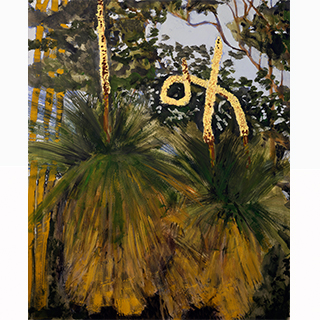
FRONT GALLERY IN THE BUSH In the bush, around Victoria. Visiting the same places again and again. Seeing the same rocks, the same trees. Different seasons, the same seasons but different weather. The same flowers and different flowers. Different pressures, new bike tracks, old trails, new rubbish, old rubbish, more rubbish, new weeds, new climate. Changing.
|
|
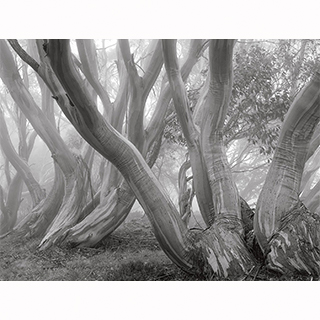
BACK GALLERY AS IT IS – PHOTOGRAPHS OF THE LAND ‘Almost alone amongst artists and quite rare amongst modern photographers, he takes us to the natural world without artifice, without emphasis, without decoration, without altering a thing. And he opens our eyes and our hearts to something enduring, something very great.’
|
|
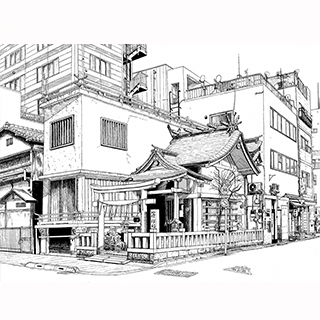
SIDE GALLERY ORIGIN OF THE SUN Nick Kirkham’s practice focuses on detailed ink drawings of Japan (Tokyo, Osaka and Nara). Through precise line work, he documents the architecture and everyday environments of those locations – signage, vehicles and other elements that visually reflect ‘Japan’. Working primarily with 0.05mm ink pen, and directly referencing photographs he took one year ago, Nick explores the balance between structure and visual complexity, emphasizing the layered nature of urban landscapes. His drawings aim to capture the mood and character of Japanese streets – reflecting their calm and orderly energy - through careful observation and a time-intensive process.
|
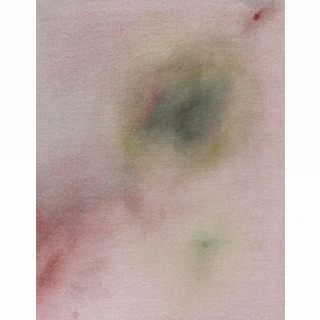
UPSTAIRS GALLERY TOUCH Touch responds to the existence of the bruise, not only as a mark on the skin, but as something that gestures beyond itself. A bruise comes from contact, from an encounter with something: something tender, something forceful, something accidental, something unknown. Whatever its origin, it becomes evidence of recovery. From the moment it appears, a bruise begins the quiet work of healing itself, holding within it a restorative logic that unfolds over time. This understanding of the bruise, as both impact and repair, underpins each of these paintings. The works attend to the skin as a responsive surface, one that absorbs, remembers, and transforms experience. In this exhibition, the bruise is not positioned as damage, but as a living process: a record of resilience, change, and care. The paintings invite an intimate encounter, asking the viewer to come close and consider the skin as a site that holds traces of what we carry.
|